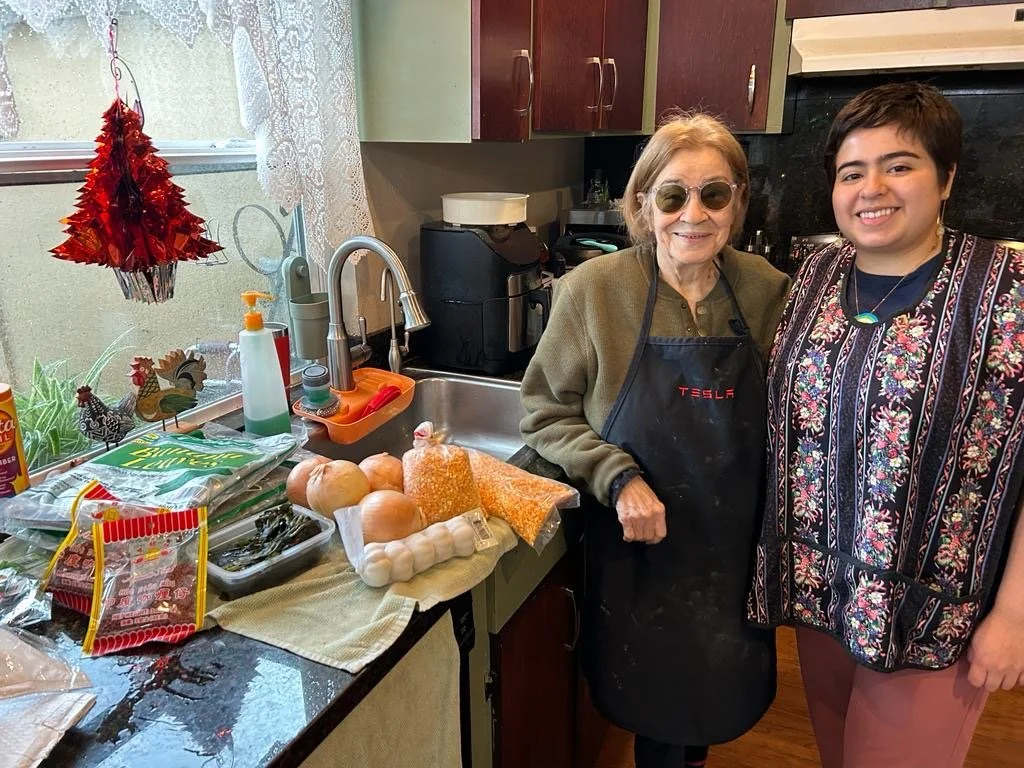
Our Story
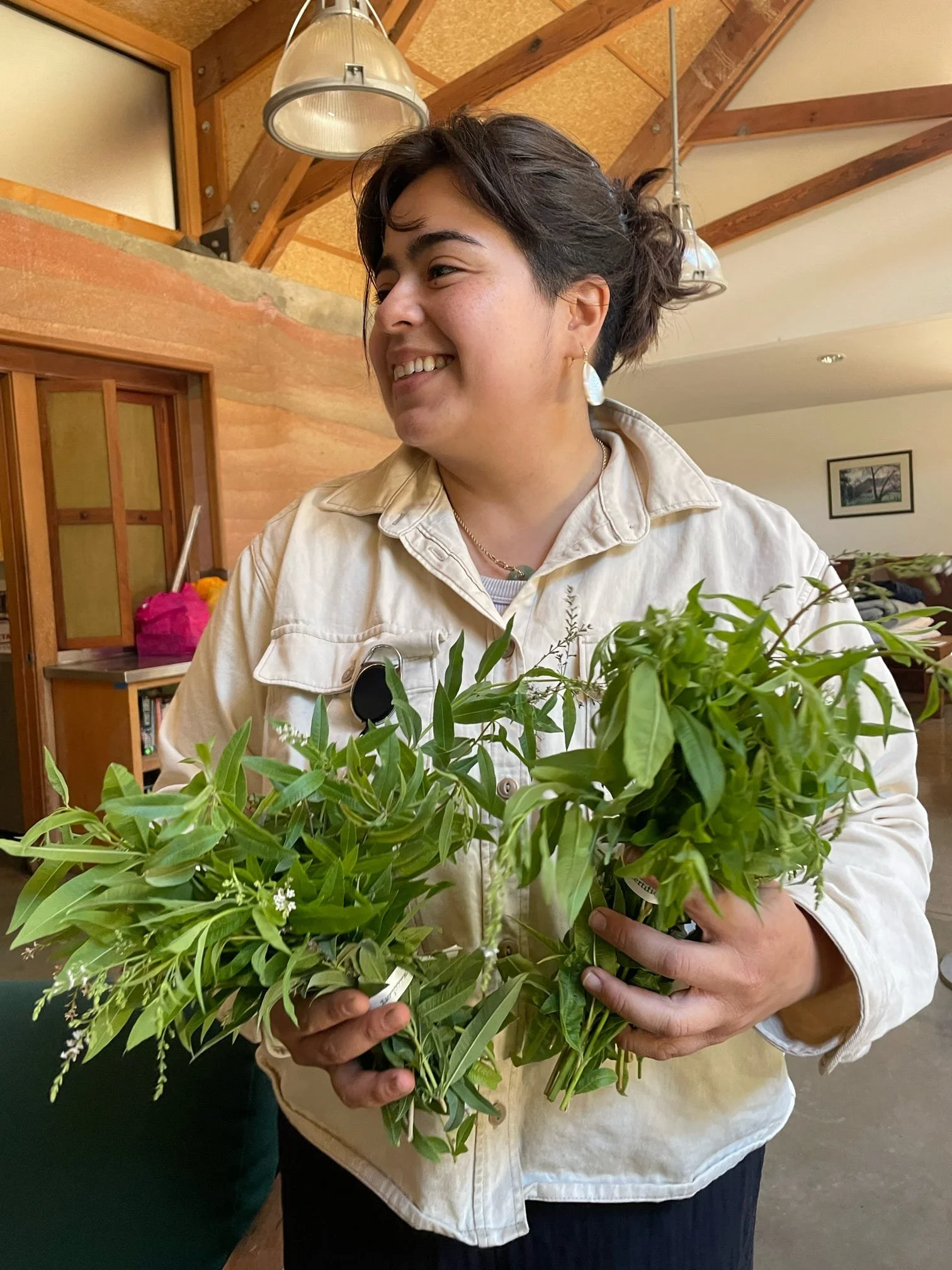
Chef Dani Solis
Growing up in the Bay Area, Dani rarely saw Panamanian food represented outside of her own home kitchen. Like many first-generation children, she distanced herself from her cultural foods to assimilate into American culture. In her mid 20s, Dani rekindled her love for Panamanian food and was determined to learn how to make tamales, one of her abuela’s most complex and labor intensive recipes.
Achieving this milestone inspired her to learn as much as she could about Panamanian cuisine and share it with her Bay Area community. Chiricana is a reflection and tribute to her family’s immigration story, marked by struggle, resilience, and a fair share of travesura (mischief)!
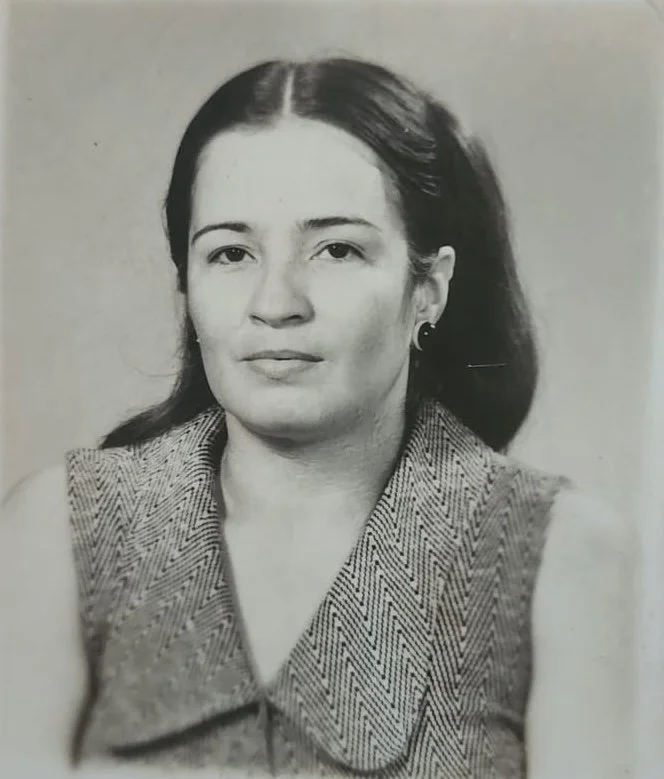
Benedicta la Chiricana
This journey begins, at least within our most recent family history, with a girl named Beny, born on the 16th of September of 1933 in the provincial town of Concepcion de Bugaba in the Chiriqui province of western Panamá bordering Costa Rica. Her parents, Paula Viquez, and Domitilo Arauz, along with their twelve children, adopted a subsistence farming lifestyle to sustain their day-to-day.
Beny was only able to receive the equivalent of a fourth grade education in a time and place that expected girls to inherit their mothers’ domestic responsibilities, so instead of a traditional classroom, her mothers’ fogón became her place of study.
El Fogón
Cast aluminum cauldrons, seasoned with the flavors of meals past, sat perfectly centered atop the three stone hearth. They boiled with ferocity, making quick work of any meat that needed tenderizing, or the boiling of dozens of tamales wrapped in hoja de platano and bijao that required days to assemble and wrap for the winter holidays.
Where the fogón represented comfort, safety, and centeredness, the hand cranked molino was a symbol of perseverance, communal labor, and the rhythmic, cyclical process of life and refinement. Taking turns milling the golden kernels of maiz pilado with her siblings, Beny became an expert in her field, perhaps gaining mastery of an art that was less like cooking and more closely resembling alchemy.
Nuestra Herencia
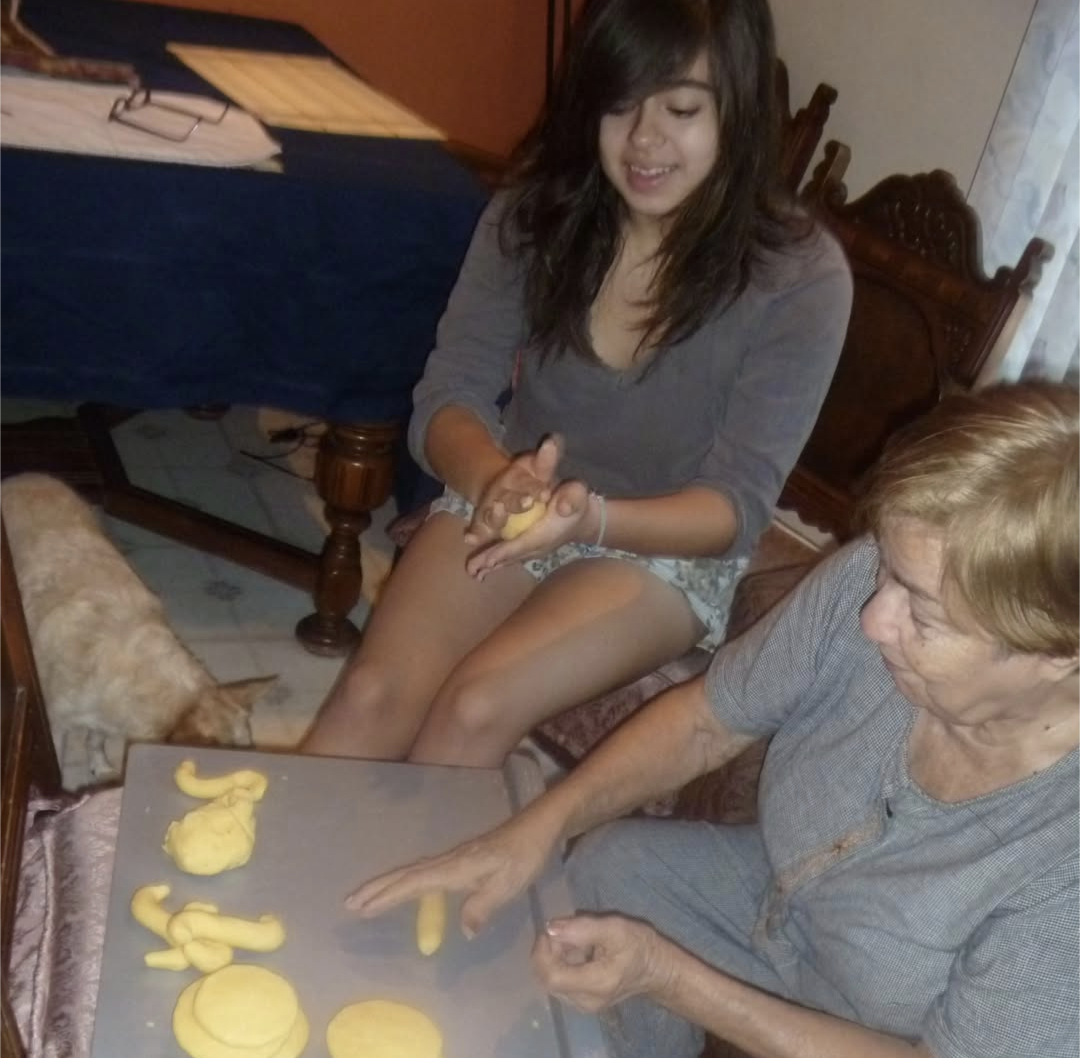
Seven decades and a lifetime of experiences later, Beny is the last remaining sibling of her parents’ children. She is abuela to many, including a young girl named Dani born in San Jose, California who shares her love of eating. As a child, Dani’s favorite foods are the fried almojabanos formed in their signature “s” shape after grinding cooked yellow hominy maiz pilado and queso fresco into ribbons of springy masa. When she reaches young adulthood, Dani realizes just how unique of an opportunity she has to learn her grandmothers’ recipes as well as the stories that accompany them.
Listen to a special interview with Chef Dani and Abuela Beny in collaboration with Gems Oral History’s “Setting the Table: A Sonic Installation of Food, Migration, and Belonging” here.